Independent cinema culture grows from a particular combination of place, audience and institutional stubbornness. A neighborhood theater survives by offering something more specific than access to moving images. It offers a room with a history, programmers with visible judgment and audiences willing to encounter work outside a personalized recommendation stream. Portland has long provided fertile conditions for this culture: strong neighborhood identities, volunteer organizations, artists, universities and viewers who treat public discussion as part of cultural life.
The Portland Humanist Film Festival emerged from that ecology. Its subject was humanism, but its practical form depended on independent cinema habits: mixed programs, local partnerships, affordable access, volunteer labor and conversations that continued after the screen went dark.
A theater is a civic room
A commercial description treats a cinema as an auditorium where tickets are exchanged for screenings. An independent theater often functions more broadly. It hosts retrospectives, local premieres, fundraisers, school programs and events that would not fill a multiplex.
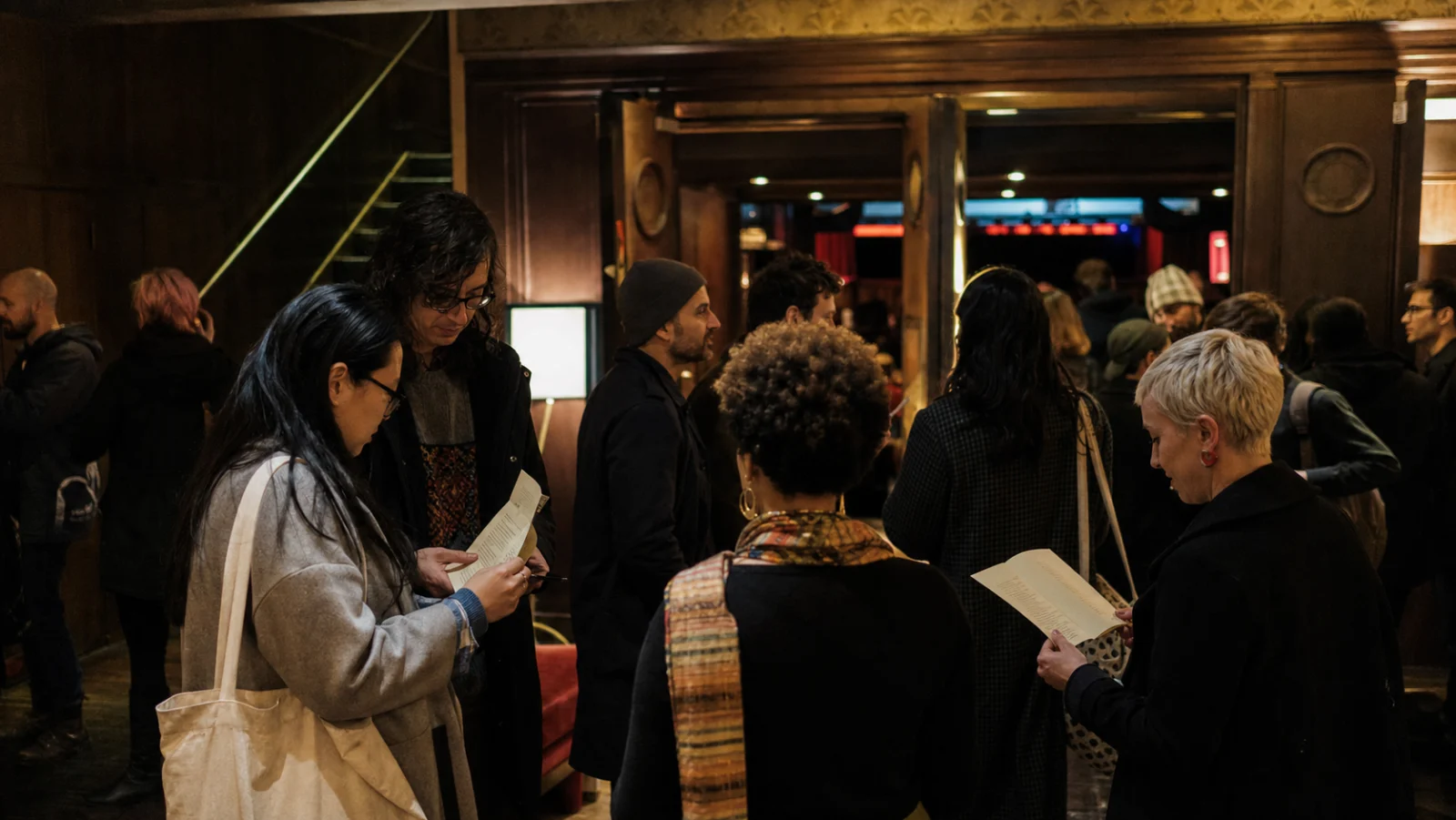
The room gains civic meaning because different publics use it. A documentary audience overlaps with an animation audience; students sit beside longtime neighborhood residents; a filmmaker answers questions from people who may disagree with the film.
This mixing is important. Civic life requires spaces where people are not sorted entirely by profession, ideology or purchasing profile. A cinema cannot replace public institutions, but it can offer a structured occasion for shared attention.
Programming gives an institution a voice
Independent theaters communicate through selection. Showing a film says that the work deserves time, space and an audience. Pairing films creates an argument about relationships among them.
This voice differs from a platform catalog. The number of available titles may be smaller, but the choices are legible. Audiences can come to trust a programmer not because every film pleases them, but because the program has curiosity and standards.
A humanist festival benefits from this culture of visible judgment. Its films do not need to agree with one another. The program’s voice comes from the quality of the questions and the willingness to place difficult perspectives in conversation.
Neighborhood scale changes participation
In a large anonymous venue, an audience member may feel interchangeable. Neighborhood theaters make attendance visible. Staff recognize regulars, volunteers meet visitors at the door and a discussion can include a meaningful portion of the room.
Scale lowers the distance between institution and audience. A suggestion may reach a programmer. A local organization can propose a partnership. The festival feels made rather than delivered.
This intimacy creates responsibility as well. Organizers cannot hide easily when access is poor, a discussion becomes hostile or a community is represented carelessly. Relationships continue after the event.
Portland’s culture rewards the handmade institution
Portland is often described through independent businesses, maker culture and resistance to standardized experience. Those descriptions can become branding clichés, but they identify a real institutional pattern: many cultural projects begin with small groups building the event they want to attend.
Volunteer festivals embody this pattern. People contribute design, ticketing, outreach, technical work and hospitality. The resulting institution may be temporary, but it is not casual. Its professionalism comes from coordination and care rather than scale.
The fragility is equally real. Volunteer capacity changes, funding is uncertain and digital records can disappear. Celebrating handmade culture should not romanticize exhaustion.
Universities and community groups widen the network
The inaugural PHFF record connects theaters with Portland State University and local humanist or freethought organizations. This network expanded what each institution could do alone.
Universities provide students, spaces and subject expertise. Community groups provide continuity, outreach and experience organizing public conversations. Independent cinemas provide projection craft, atmosphere and an audience relationship.
Partnerships work best when roles are explicit. A venue should not carry all accessibility or promotion work. A sponsoring organization should not assume control over artistic decisions merely because it provides funds. Shared purpose needs practical agreements.
Local radio and press create cultural memory
Small events become public through local media. An interview on community radio can explain why a festival exists in a way that an advertisement cannot. A calendar listing preserves dates and venues. A review records how a film was received at the time.
These fragments later become archival evidence. When a festival website is incomplete, radio pages, newspapers, organizational newsletters and filmmaker biographies help reconstruct the record.
Local media therefore does more than promote. It places an event inside the documented life of a city. Supporting that media strengthens future memory.
Weather, transit and timing are part of curation
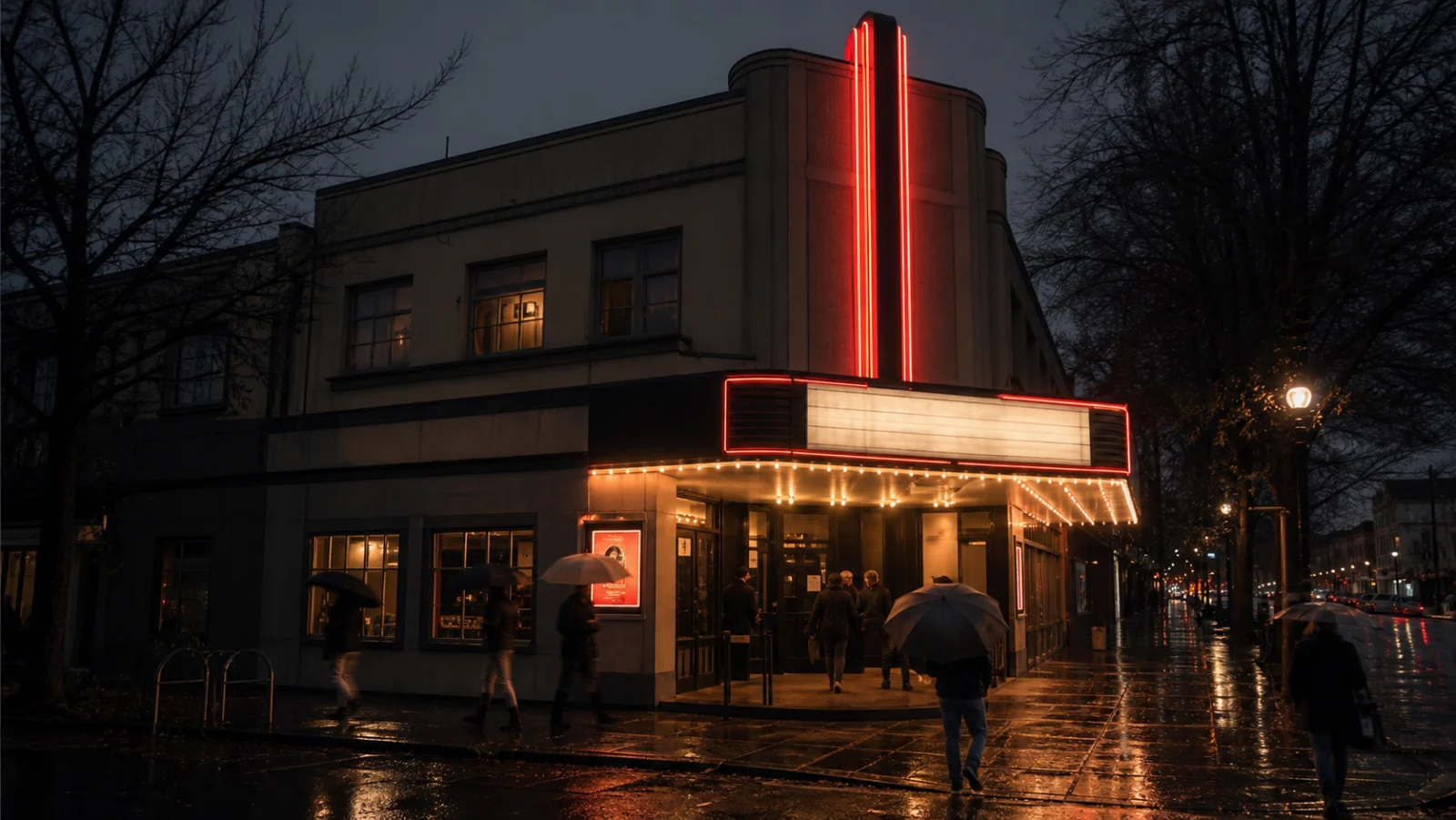
Place enters a festival through practical details. A rainy Portland evening changes arrival. Transit schedules affect which audiences can stay for a late film. A three-day program asks people to move through neighborhoods, meals and weather.
Good organizers treat these conditions as part of the audience experience. Clear directions, realistic breaks and information about physical access express the same respect that appears in program values.
The most intellectually ambitious festival can fail if visitors cannot understand where to go or when they can eat. Hospitality is not separate from ideas. It determines who can remain in the conversation.

Independent cinemas protect films from the feed
Streaming platforms make extraordinary work available, but availability is not attention. A title appears among thousands, surrounded by thumbnails optimized for immediate choice. Viewers can abandon a difficult film within seconds.
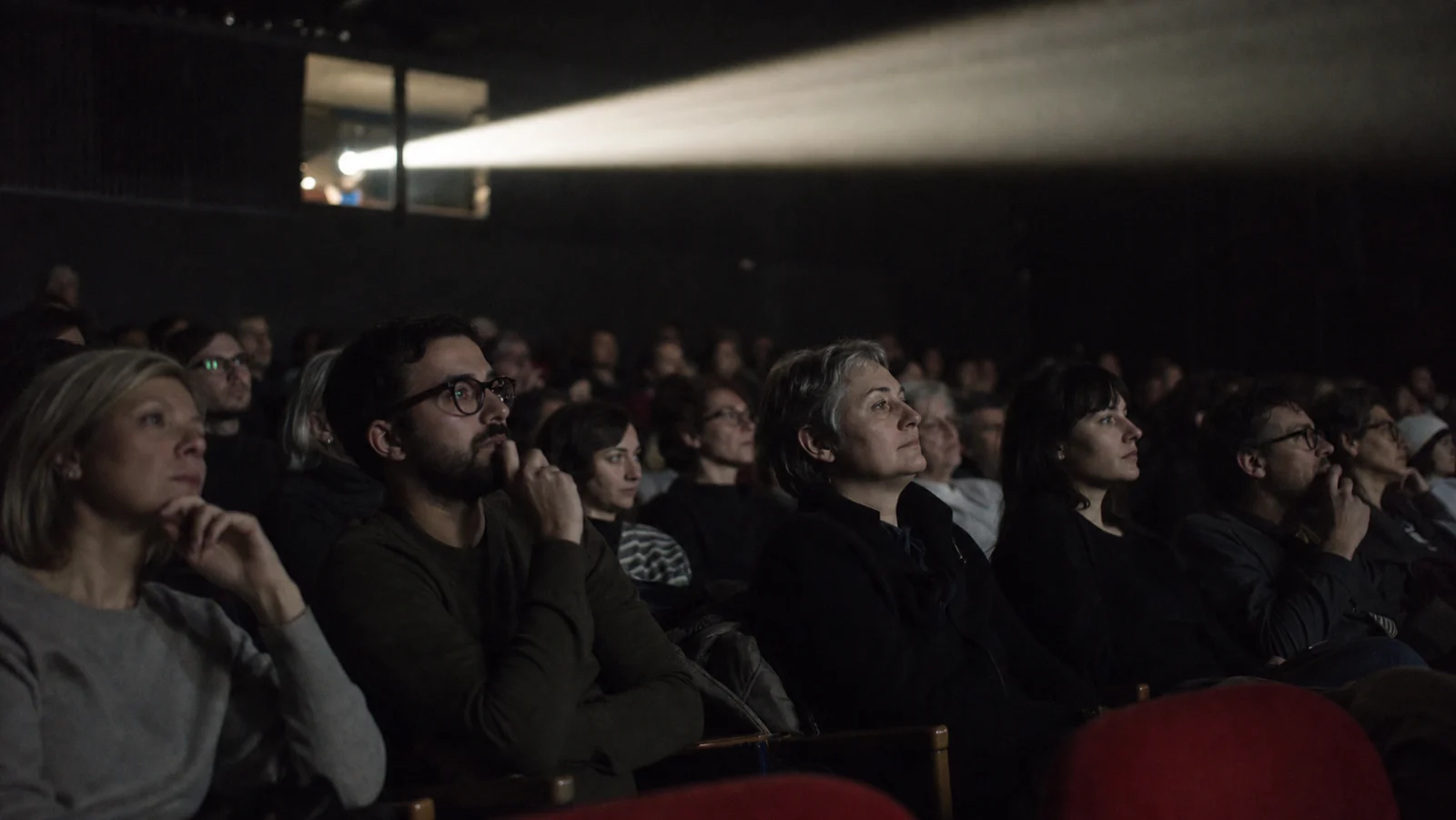
A cinema creates commitment through architecture and social expectation. The screen is large, the lights are down and other people are present. This does not make theatrical viewing morally superior, but it gives certain films conditions they need.
Slow documentaries, subtitled work and formally challenging films benefit from an audience that has chosen the event rather than only the title. A curator’s introduction can offer context without explaining the film away.
Festivals can connect global films to local questions
Humanist concerns cross borders: freedom of conscience, education, scientific integrity, gender equality and state power. A local festival can present international stories without pretending that Portland is the center of them.
The key is relationship. Discussion should ask what local audiences need to learn, where conditions differ and which communities can speak with relevant knowledge. Global suffering should not become exotic material for local moral identity.
Local action can be connected carefully. A film about church-state separation may lead to legal context; a human-rights documentary may connect with refugee or data organizations. The bridge should respect the film’s specificity.
Accessibility is cultural infrastructure
Independent institutions often operate with limited budgets, but access cannot remain an optional aspiration. Captions, hearing support, physical routes, clear language, ticket affordability and sensory information determine who becomes part of the audience.
Access improvements can be phased, but planning must begin early. A venue and festival should identify responsibilities before promotion. Volunteers need training that goes beyond goodwill.
Accessible design benefits everyone. Clear schedules reduce confusion, captions improve comprehension and multiple ticket pathways welcome visitors who avoid complex digital systems.
The economics require honesty
Low ticket prices can support inclusion while hiding unpaid labor. Independent cinema culture often depends on people donating professional skills, accepting insecure work or absorbing costs personally.
A sustainable festival makes the budget legible. It prioritizes venue, rights, accessibility and fair payment where possible. If work is volunteer, expectations and time limits should be clear. Recognition is not compensation, but invisibility makes exploitation worse.
Partnerships can distribute costs, and grants may protect experimental programming. Growth should not be assumed to be the goal. A small event that pays people responsibly may serve the community better than a larger fragile one.
Preservation keeps local culture from becoming myth
When records disappear, memory simplifies. A festival becomes “a beloved annual event” without dates, programs, disagreements or evidence. Preservation protects specificity.
Authentic routes, schedules, venue information and organizational context let future readers understand how the event actually worked. Clearly labeled uncertainty prevents nostalgia from filling every gap.
Images require particular care. If event photographs are missing or rights are unclear, an archive should not silently substitute generated visuals as documentation. Editorial interpretation can support design, but it must be labeled.
A culture made by attendance
Independent cinema exists because people attend, volunteer, program, repair equipment, write about films and stay for the question after the credits. No single institution owns the culture.
Portland’s contribution to humanist film history is therefore not only that screenings occurred within city limits. Local networks made a particular kind of public possible: curious, skeptical, informal and willing to gather around difficult ideas.
That public must be recreated each time. A building can remain while habits disappear. The archive offers a reminder that culture is a verb. People made the festival, and future people can make new rooms for thought—provided they treat place, labor and one another with the same seriousness as the films.
Invite new audiences into ownership
Independent cinema becomes brittle when the same small circle performs every task and makes every decision. Continuity requires invitation. Students, younger organizers, immigrant communities, disabled audiences and people arriving without film-culture vocabulary need ways to shape the institution rather than only attend it.
This can begin with paid apprenticeships, open programming conversations, partnerships with schools and clearly scoped volunteer roles. Mentorship should transfer practical knowledge: rights requests, projection checks, moderation, accessibility and archival work. Treating newcomers only as promotional reach preserves the old power structure.
New audiences may change the definition of independent cinema. They may bring different genres, schedules, languages and expectations about discussion. An institution committed to curiosity should allow this influence while maintaining standards of evidence, care and artistic seriousness.
Ownership also grows through memory. When a festival publishes its programs, credits volunteers accurately and preserves corrections, participants can see their work entering the city’s record. The archive becomes not a monument to a finished era but a tool for building the next one.